Choosing a Loyalty Program Platform? Here’s What Actually Matters (And What Doesn’t)
Choosing the right loyalty platform is key to driving real ROI. The right system enables personalization, unified data, and smarter decisions, turning loyalty from a cost center into a scalable growth engine.
Apr 1, 2026
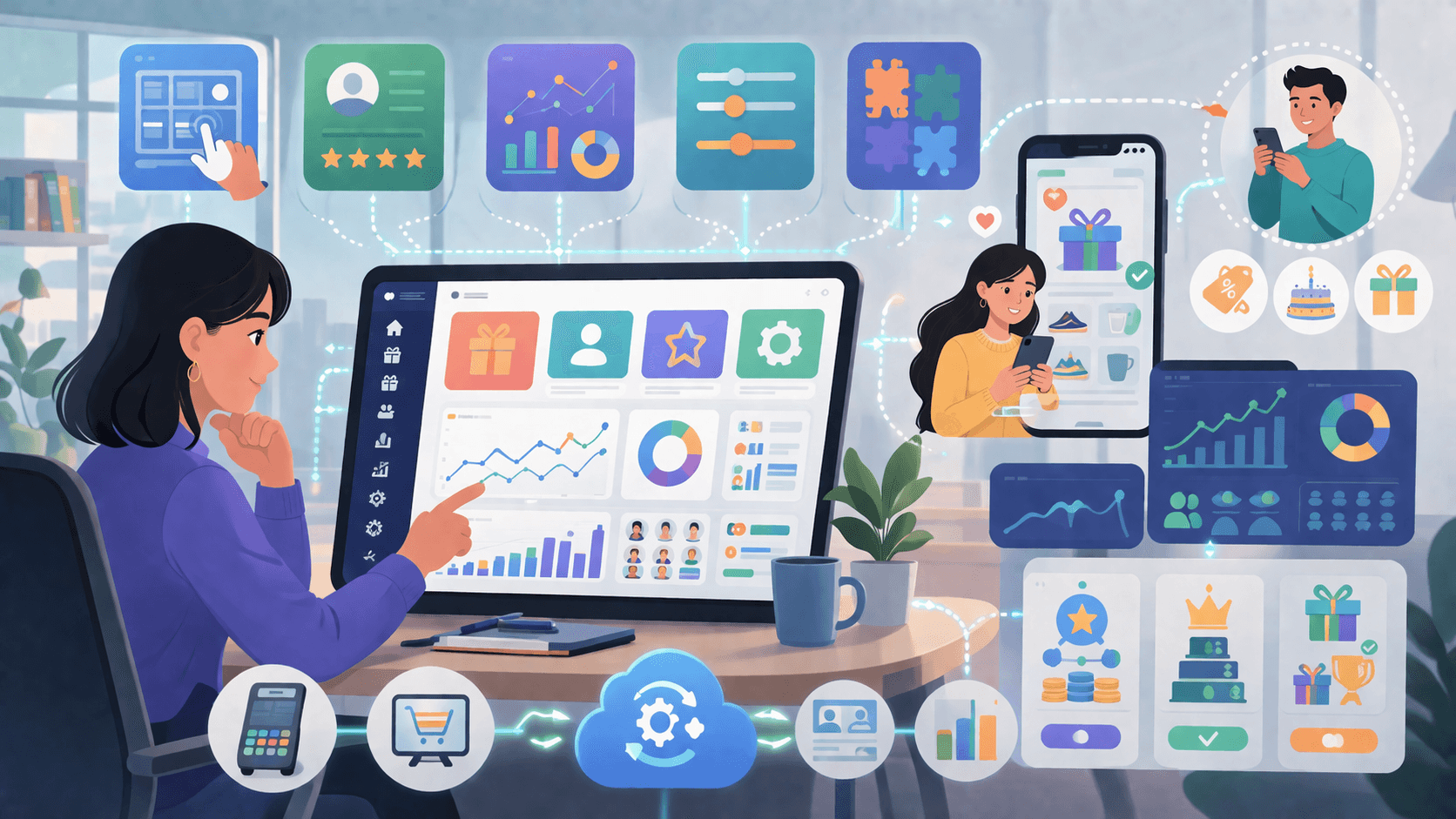
Why “Just Picking a Tool” Is Where Most Loyalty Strategies Go Wrong
Most brands don’t fail at loyalty because of a lack of ideas. They fail because of what they build those ideas on. The loyalty platform you choose determines how fast you can execute, how well you can personalize, and whether your program actually drives revenue or just activity. The challenge is that the market is filled with platforms promising similar things. Every vendor claims to offer personalization, omnichannel engagement, and AI driven insights. But in practice, many of these platforms add complexity instead of solving it. This is why choosing a loyalty platform is not a feature comparison exercise. It is a strategic decision that directly impacts your ability to turn retention into a scalable growth lever.
The Real Problem Isn’t Loyalty. It’s What’s Powering It
You Have a Loyalty Program. But It’s Not Moving the Needle
Many retail and ecommerce brands already have a loyalty program in place. On the surface, it appears to be working. Customer sign ups are increasing, points are being issued, and campaigns are being executed regularly. But when you look at the metrics that matter, the story changes. Repeat purchases are not growing at the expected pace. Customer lifetime value remains flat. Engagement does not translate into revenue. This disconnect often stems from the platform itself. When the underlying system cannot drive intelligent decision making, the program becomes a cost center rather than a growth engine.
Your Customer Experience Feels Disconnected
Today’s customer journey is not linear. A customer might browse a digital catalog, visit your website, open an email, and then purchase in store. However, most loyalty platforms fail to connect these touchpoints. The result is a fragmented experience where the customer does not feel recognized across channels. For brands using discovery platforms like Publitas, this gap becomes even more visible. High intent browsing data exists but is rarely used to influence loyalty engagement. This creates missed opportunities at critical moments in the journey.
Personalization Sounds Good But Is Hard to Execute
Personalization has become a standard expectation, but executing it at scale is where most teams struggle. Many platforms rely on static segmentation, where customers are grouped into broad categories and treated similarly. Campaigns are planned manually and executed in batches. This approach limits relevance and slows down execution. As customer expectations continue to rise, this gap becomes more noticeable.
Your Teams Are Doing Too Much Heavy Lifting
Behind every loyalty campaign is a significant amount of manual effort. Teams spend time pulling data, creating segments, setting up campaigns, and analyzing results. This slows down execution and limits experimentation. Instead of focusing on strategy, teams are stuck managing processes. Over time, this leads to inefficiencies and missed opportunities.
You Can’t Clearly Prove ROI to Leadership
Perhaps the most pressing challenge is proving impact. Many platforms focus on metrics like points issued or redemption rates. While these metrics indicate activity, they do not reflect business outcomes. Leadership teams want to understand whether loyalty is driving incremental revenue, improving retention, or increasing customer lifetime value. Without clear attribution, it becomes difficult to justify continued investment.
What You’re Actually Looking for (Even If You Don’t Realize It Yet)
You Don’t Need More Features. You Need Better Decision Making
When evaluating platforms, it is easy to get caught up in feature lists. However, the real need is not more functionality but better decision making. The platform should help you answer critical questions such as who to target, what to offer, and when to engage. This shift from features to capabilities is what separates effective platforms from the rest.
From Channels to Journeys. Why Integration Matters More Than Ever
Loyalty does not exist in isolation. It is part of a larger customer journey that includes discovery, consideration, purchase, and retention. A platform that cannot connect these stages will always fall short. Integration with key systems such as ecommerce platforms, CRM tools, and discovery channels is essential. When browsing behavior from catalogs or websites is connected to loyalty actions, brands can engage customers with greater relevance and timing.
Data Is Only Useful If It Can Be Acted On
Collecting data is no longer a differentiator. Most platforms can store customer information. The real value lies in activating that data. This means using it in real time to drive decisions and actions. Platforms that fail to do this end up becoming data repositories rather than growth enablers.
What to Look for in a Loyalty Program Platform That Actually Drives Results
A Unified Customer View Without Creating Another Silo
A strong platform should bring together data from multiple sources into a single, real time customer profile. This includes transactional data, browsing behavior, and engagement history. Without this unified view, personalization and decision making remain limited.
Real Time Personalization Instead of Static Segmentation
The ability to respond to customer behavior as it happens is critical. This includes triggering offers based on browsing activity, purchase intent, or engagement signals. Real time personalization ensures that communication is relevant and timely.
Seamless Integration with Your Existing Ecosystem
Your loyalty platform should work with your existing stack, not against it. This includes integration with ecommerce systems, CRM platforms, and tools like Publitas. The ability to connect discovery data with loyalty actions is a key differentiator.
Automation That Reduces Work Instead of Adding to It
Automation should simplify processes, not complicate them. Look for platforms that can handle segmentation, campaign execution, and optimization with minimal manual intervention. This allows teams to focus on strategy rather than execution.
Clear Measurement of Incremental Impact
Understanding whether your loyalty efforts are driving new behavior is essential. Platforms should provide tools to measure incremental revenue, retention impact, and campaign effectiveness. This includes features like control groups and lift analysis.
Omnichannel Consistency Without Additional Effort
Customers expect a consistent experience across all touchpoints. A strong platform ensures that loyalty interactions remain seamless across online and offline channels.
Flexibility to Grow with Your Business
As your business evolves, your platform should be able to adapt. This includes supporting new channels, expanding to new markets, and incorporating advanced capabilities such as AI driven decision making.
Common Mistakes Teams Make When Evaluating Loyalty Platforms
Focusing Too Much on Features and Not Enough on Usability
A platform with a long list of features is not necessarily better. If it is difficult to use, adoption becomes a challenge and value is lost.
Ignoring Data Integration Early in the Process
Data integration is often treated as a secondary consideration. This can lead to fragmented experiences and delayed results.
Choosing Based Only on Current Needs
Many teams select platforms based on immediate requirements without considering future growth. This can limit scalability and innovation.
Overlooking the Full Customer Journey
Loyalty does not start after purchase. It begins during discovery. Ignoring this stage leads to missed opportunities for engagement and personalization.
What This Looks Like When Done Right
Connecting Discovery to Loyalty in Real Time
A customer browsing a digital catalog shows clear intent. When this signal is captured and used to trigger relevant engagement, the impact is immediate. For example, a customer viewing specific products can receive personalized offers or recommendations that drive conversion.
Creating a Continuous Customer Journey
When all touchpoints are connected, the customer experience becomes seamless. There is no disconnect between browsing, purchasing, and engaging with loyalty programs.
Enabling Teams to Move Faster and Smarter
With automation and real time insights, teams can execute campaigns more efficiently. This allows for faster experimentation and continuous improvement.
The Business Impact of Choosing the Right Platform
Higher Repeat Purchases Without Increasing Discounts
By targeting the right customers with the right incentives, brands can drive repeat purchases without relying on excessive discounts.
Improved Customer Lifetime Value
Better engagement leads to stronger relationships and increased lifetime value.
Faster Time to Value
Modern platforms enable quicker implementation and faster results, allowing brands to see impact sooner.
Stronger Alignment Across Teams
Clear reporting and measurable outcomes improve alignment between marketing, product, and leadership teams.
A Loyalty Program That Scales with Your Business
The right platform transforms loyalty from a series of campaigns into a scalable system that drives consistent results.
How to Start Your Evaluation Without Getting Overwhelmed
Start with Your Biggest Bottleneck
Identify the area where you face the most challenges, whether it is personalization, data, or execution. This will help you prioritize your evaluation criteria.
Map Your Customer Journey First
Understand how customers move from discovery to purchase to retention. Identify gaps and opportunities within this journey.
Shortlist Platforms Based on Capabilities, Not Claims
Focus on what the platform can actually do, not just what it promises. Ask practical questions about integration, real time capabilities, and automation.
Run a Pilot Before Full Implementation
Testing a platform with a specific use case allows you to evaluate its effectiveness before committing fully.
Think Beyond Loyalty and Focus on Customer Experience
Loyalty is one part of a broader customer experience strategy. The platform you choose should support this larger vision.
Conclusion: The Best Loyalty Platform Doesn’t Feel Like One
The most effective loyalty platforms are the ones that do not feel like standalone tools. They operate as part of a connected system that brings together data, decision making, and execution. Instead of adding complexity, they simplify processes and enhance the customer journey. For brands looking to scale retention and drive measurable growth, the goal is not to choose a platform with the most features. It is to choose one that makes loyalty work effortlessly and consistently.
FAQs
1. How do I know if I need a new loyalty platform or just need to optimize my current one?
If your current platform lacks real-time personalization, unified customer data, or measurable ROI tracking, optimization may not be enough. In such cases, evaluating a new platform becomes necessary.
2. What is the most important feature to look for in a loyalty platform?
Rather than a single feature, the most critical capability is the platform’s ability to make data actionable by turning customer insights into real time engagement decisions.
3. How important is integration with tools like digital catalogs or browsing platforms?
Extremely important. Customer intent often starts during browsing. Integrating platforms like Publitas ensures that this intent is captured and used to drive more relevant loyalty interactions.
4. Can a loyalty platform improve retention without increasing discounts?
Yes. Advanced platforms focus on personalization and timing, ensuring that incentives are used strategically rather than broadly.
5. How long does it typically take to implement a loyalty platform?
Implementation timelines vary, but modern platforms with strong integration capabilities can deliver initial results within a few months, especially when starting with focused use cases.
Related Blogs
Loyalty Program ROI Calculator: How to Measure the Real Impact of Your Loyalty Strategy
Most brands track loyalty metrics but fail to measure true ROI. A loyalty ROI calculator helps quantify incremental revenue, retention lift, and costs to drive data-driven growth.
Apr 10, 2026
When Loyalty Turns Against You: Understanding and Preventing Program Abuse
Loyalty program fraud hides behind strong engagement metrics, draining revenue through fake enrollments, points abuse, and manipulation. Detecting and preventing it is key to protecting margins, data accuracy, and long-term program growth.
Apr 2, 2026
Why Most Loyalty Programs Fail, and How AI Is Quietly Fixing Them
Most loyalty programs fail due to poor personalization and static execution. AI transforms them into dynamic systems that predict behavior, personalize in real time, and drive measurable retention, engagement, and ROI.
Apr 1, 2026