Supermarket Loyalty Programs: How Modern Retailers Use Loyalty as a Demand Engine
Supermarket loyalty programs have evolved into powerful demand engines, using SKU-level data and predictive intelligence to shape shopping behaviour, grow basket size, and stabilise revenue. In a high-frequency, low-margin category like grocery, loyalty now sits at the heart of forecasting, personalisation, and profitable growth.
Dec 22, 2025
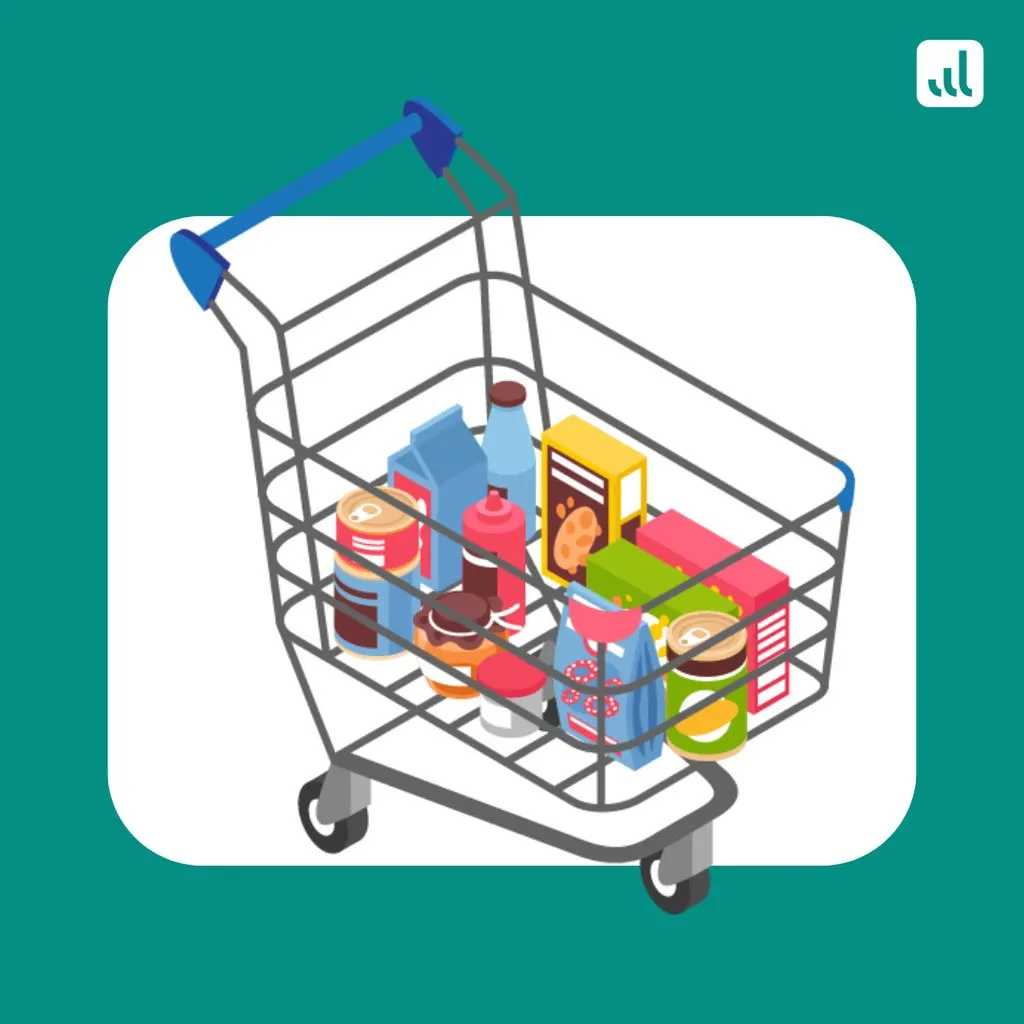
Supermarket loyalty programs are no longer add-ons to the customer journey, they are the engines that power demand, shape behaviour, and stabilise revenue in one of the most operationally complex retail sectors. In grocery, where margins are thin, competition is intense, and shopper behaviour changes weekly, loyalty has evolved into the central intelligence system that informs how retailers plan, price, merchandise, and personalise.
At their core, supermarket loyalty programs collect the high-frequency, SKU-level behavioural data needed to understand how households shop, when they replenish, and what influences their switching behaviour. This makes loyalty the most reliable tool a supermarket has to forecast demand and intervene proactively in the shopping cycle.
But in the Middle East, where digital adoption is accelerating and household diversity is high, the strategic value of loyalty becomes even more pronounced. Here, loyalty does more than capture behaviour; it orchestrates it, allowing retailers to steer demand with precision.
The new question for retailers isn’t “How do we reward shoppers?”
It’s “How do we engineer predictable demand in a category defined by volatility?”
That is where loyalty becomes a true competitive advantage.
The Economics of Grocery Retail And Why Loyalty Is Now Essential
Grocery is unlike any other retail category. Customers shop weekly or even multiple times per week, often across channels: in-store, delivery, click-and-collect, or express pickup. This creates a constant stream of behavioural signals that, when captured through loyalty, become the backbone of demand forecasting and personalisation.
Supermarkets face unique pressures:
Perishable inventory that requires precise demand prediction
Narrow margins that make discounting costly
High purchase frequency that exposes churn quickly
Large household-driven baskets that vary by life stage and lifestyle
Regional price sensitivity influenced by economic shifts
Traditional promotions do little to stabilise these dynamics. Retailers need intelligence, not discounts, to influence demand sustainably. This is where grocery loyalty programs step in. They provide the behavioural insight required to shape future demand rather than react to it.
Loyalty as the Demand Engine: A New Model for Supermarket Growth
Predicting Demand Through Behavioural and Household Data
Supermarkets generate more actionable behavioural data than any other retail vertical. Every visit, every item, every substitution, every omitted product becomes a signal about household consumption patterns. When unified through loyalty, these signals reveal:
Replenishment cycles
Switching behaviour
Sensitivity to price and promotions
Brand affinity
Dietary preferences
Household size and needs
This level of visibility allows retailers to forecast demand with far greater precision. Platforms like Loyalytics don't just analyse past behaviour, they model future demand, enabling supermarkets to intervene before churn occurs, before substitution happens, and before price sensitivity erodes margin. Instead of broad category predictions, loyalty enables SKU-level insight, reducing waste and improving stock availability.
Driving Demand Through Personalised Interventions
Demand is not only predicted, it is actively shaped. Through loyalty, retailers can deliver targeted nudges that influence what customers buy, how much they buy, and when they buy. These interventions reduce churn, increase basket value, and improve category penetration without heavy discounting.
For example: Replenishment Prediction in Action
A family buys milk every four days, bread every six, and fresh produce weekly. Loyalty data identifies the family’s consumption rhythm and sends a personalised reminder on the fifth day, exactly when intent is rising but before the customer considers another retailer.
This simple, data-timed nudge can:
Reduce switching behaviour
Increase visit frequency
Shift additional items into the basket
A single replenishment prediction can lift the weekly basket by 12-18% in high-frequency categories.
Stabilising Demand for Better Operational Efficiency
Grocery retail thrives when demand is predictable. Loyalty-driven insights improve the accuracy of demand planning, inventory management, and workforce allocation. When retailers understand how their most engaged customers shop, they can reduce over-ordering, manage perishables better, and plan promotions with confidence.
Demand stability also strengthens supplier partnerships and reduces volatility across the value chain.
Protecting Margins by Rewarding Behaviour, Not Discounting
Supermarkets are notorious for margin erosion caused by broad promotions. Behaviour-based rewards, enabled by loyalty, allow retailers to incentivise profitable actions instead of applying blanket discounts. This preserves margin while still delivering value to the customer.
Programs that focus on shaping behaviour (frequency, cross-category discovery, healthier choices) drive more profitable outcomes than those focused solely on price.
The Supermarket Loyalty Flywheel
High-frequency shopping provides constant behavioural inputs. Each interaction strengthens the retailer’s understanding, enabling more precise recommendations and more relevant engagement. Over time:
Customers shop
Data is captured
Predictions improve
Personalised nudges increase frequency
Baskets grow
Data becomes richer
Retailers gain stronger demand control
This is the demand engine approach, unique to supermarkets and unmatched in other retail sectors.
Designing High-Impact Supermarket Loyalty Programs Using the Demand Engine Model
To harness loyalty as a demand engine, supermarkets need an architecture built for precision, speed, and omnichannel consistency.
Unified Customer Identity as the Foundation
A loyalty program cannot shape demand if it cannot recognise the customer across all channels. Unified identity connects POS data, online orders, mobile app behaviour, replenishment cycles, and delivery interactions into a single behavioural profile.
This allows supermarkets to anticipate needs and intervene at the right moments.
Reward Mechanics That Shape Behaviour
Modern loyalty programs focus on behavioural incentives rather than transactional rewards. This might include:
Frequency-driven boosts
Personalised membership tiers
Lifestyle-driven benefits
Household-level pooling
These approaches drive predictable behaviour while preserving margin integrity.
Predictive AI for Replenishment, Frequency, and Category Penetration
AI-driven systems can identify when households are likely to run out of essentials, when they might switch retailers, or when they are primed for cross-category exploration.
This enables proactive interventions such as reminders, tailored offers, and personalised bundles.
Omnichannel Grocery Journeys Powered by Loyalty
Loyalty must integrate across:
In-store
Delivery
Click-and-collect
Express pickup
Subscription replenishment
When loyalty becomes the connective layer, supermarkets can deliver frictionless experiences that strengthen trust and retention.
Tier Models That Reflect Household-Level Value
Household spending varies widely in grocery. Tier structures that recognise household needs, not just individual transactions, create more meaningful and inclusive value propositions.
The Benefits of Supermarket Loyalty Programs in a Demand-Driven World
When loyalty operates as an intelligence system, the benefits of supermarket loyalty program models extend into every part of the business:
Stronger customer retention
Higher purchase frequency
More predictable demand
Reduced operational waste
Improved forecasting accuracy
Stronger category penetration
Higher-margin basket composition
Reduced promotional dependency
These benefits compound over time, making loyalty a strategic asset rather than a promotional cost.
The Best Supermarket Loyalty Programs and What They Teach Us About Demand Creation
Some of the best supermarket loyalty programs globally demonstrate how loyalty can power demand:
Tesco Clubcard pioneered personalised pricing calibrated through loyalty insights.
Carrefour MyClub uses unified ecosystem data to drive cross-format demand.
Kroger Plus blends loyalty data with retail media to influence in-store and online demand simultaneously.
Waitrose focuses on lifestyle-based engagement, lifting premium category demand.
Lidl Plus uses digital-first loyalty to curate app-led demand each week.
Each case demonstrates how loyalty shifts from reward distribution to behavioural influence, the core principle of a demand engine.
These brands also offer strong examples of supermarket loyalty programs that balance experience, intelligence, and operational value.
Common Pitfalls: When Loyalty Fails to Influence Demand
Supermarkets often underestimate the complexity of loyalty. When programs fail to operate as demand engines, common issues include:
Over-discounting that erodes margin
Flat, non-personalised offers
Poor omnichannel integration
Lack of household-level insight
Fragmented data that weakens predictions
No replenishment intelligence
Limited behavioural segmentation
Without unified intelligence, loyalty becomes a cost rather than a strategic driver of demand.
Conclusion: Loyalty Is the New Demand Engine for Grocery Retail
Grocery retail is entering a new era, one where competitive advantage comes not from store format or promotions, but from the ability to understand and influence demand at scale. Supermarket loyalty programs now sit at the heart of this transformation. They reveal how households shop, predict when replenishment will occur, and deliver the personalised triggers that shape basket composition and trip frequency.
Retailers who embrace loyalty as a demand engine gain a structural advantage:
More predictable revenue
Higher-margin baskets
Reduced operational waste
Stronger customer lifetime value
Those who continue treating loyalty as a promotional tool risk falling behind in a market where relevance, not discounts, wins repeat behaviour.
With platforms like Loyalytics powering unified data, predictive modelling, and real-time lifecycle orchestration, loyalty becomes more than a customer-facing initiative. It becomes the system of intelligence that guides how the supermarket operates, decides, and grows.
In a category defined by volatility, the supermarkets that use loyalty to shape demand, not just respond to it, will lead the next chapter of grocery retail.
FAQs
1. What are supermarket loyalty programs and how do they work?
Supermarket loyalty programs reward customers for repeat purchases while collecting SKU-level behavioural data. This insight helps retailers personalise offers, predict replenishment cycles, and influence shopping behaviour across in-store, delivery, and click-and-collect channels.
2. What are the benefits of a supermarket loyalty program for retailers?
The benefits of supermarket loyalty program models include higher purchase frequency, larger baskets, improved demand forecasting, reduced wastage, stronger customer retention, and better margin control through personalised, behaviour-driven incentives.
3. What makes the best supermarket loyalty programs successful?
The best supermarket loyalty programs use unified customer identities, predictive analytics, and personalised engagement to shape demand, not just reward it. They integrate seamlessly across channels and deliver value tied to household behaviour, not just transaction volume.
4. How do grocery loyalty programs increase customer retention?
Grocery loyalty programs increase retention by anticipating household needs, sending replenishment reminders, providing relevant category recommendations, and creating frictionless digital journeys. This builds habitual behaviour and reduces the likelihood of customers switching retailers.
5. What are examples of supermarket loyalty programs that perform well?
Popular examples of supermarket loyalty programs include Tesco Clubcard, Carrefour MyClub, LuLu Happiness Program, Kroger Plus, Lidl Plus, and Waitrose Card. These programs excel at predictive personalisation, ecosystem value, and demand shaping through data-driven engagement.
6. How can supermarkets use loyalty programs to drive higher demand?
Supermarkets can use loyalty programs as demand engines by analysing behavioural data, predicting when customers will shop next, nudging replenishment, and introducing personalised offers that influence purchase timing and basket composition.
Related Blogs

Loyalty Program ROI Calculator: How to Measure the Real Impact of Your Loyalty Strategy
Most brands track loyalty metrics but fail to measure true ROI. A loyalty ROI calculator helps quantify incremental revenue, retention lift, and costs to drive data-driven growth.
Apr 10, 2026

When Loyalty Turns Against You: Understanding and Preventing Program Abuse
Loyalty program fraud hides behind strong engagement metrics, draining revenue through fake enrollments, points abuse, and manipulation. Detecting and preventing it is key to protecting margins, data accuracy, and long-term program growth.
Apr 2, 2026
Why Most Loyalty Programs Fail, and How AI Is Quietly Fixing Them
Most loyalty programs fail due to poor personalization and static execution. AI transforms them into dynamic systems that predict behavior, personalize in real time, and drive measurable retention, engagement, and ROI.
Apr 1, 2026