The Ultimate Guide to Customer Loyalty Programs in Malaysia
Learn how customer loyalty programs in Malaysia drive retention, increase sales, and turn first-party data into measurable retail growth.
Feb 19, 2026
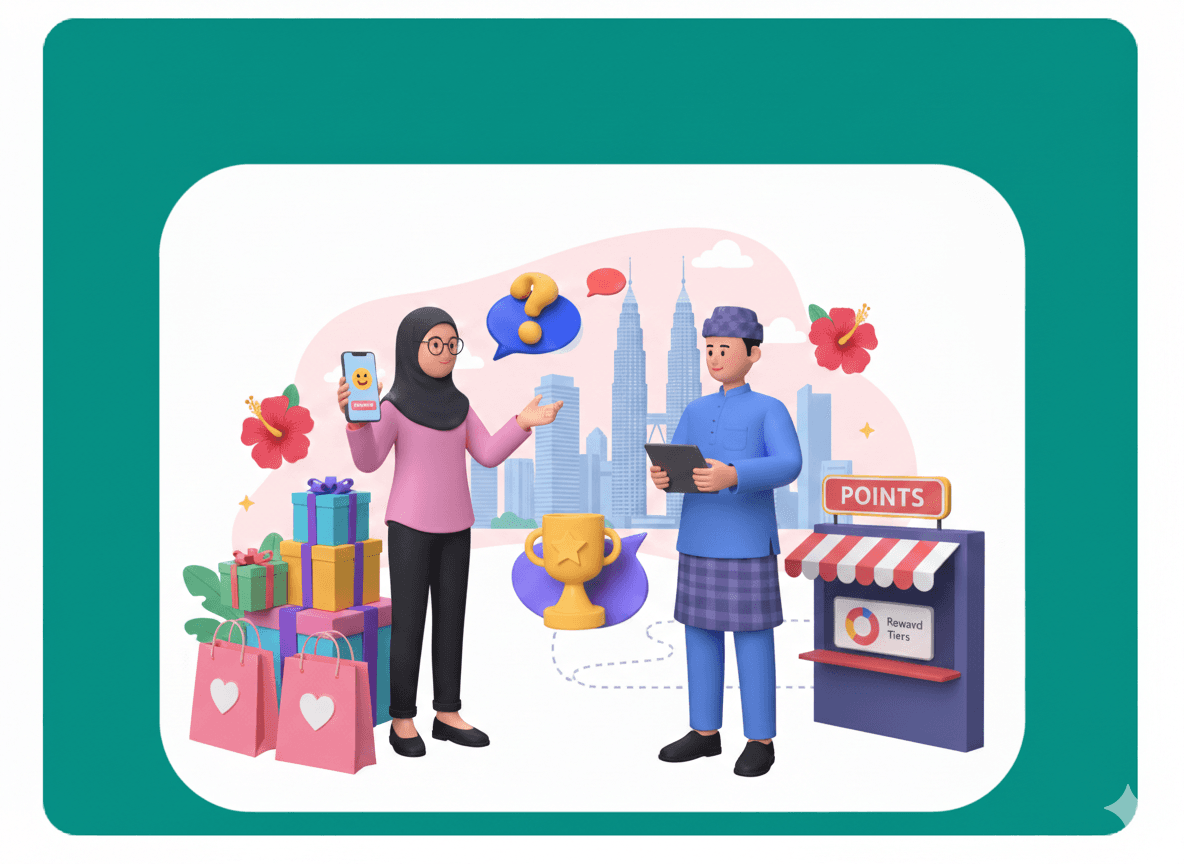
Customer loyalty programs in Malaysia have become a strategic growth driver for retailers looking to strengthen retention, increase sales, and build long-term customer relationships. A strong loyalty program marketing strategy in Malaysia transforms loyalty from a cost center into a measurable growth engine. When designed effectively, a well-structured loyalty rewards program improves engagement and encourages repeat purchases.
In this guide, we’ll explain how loyalty program works, the different types of retail loyalty programs, their key benefits, and successful examples in Malaysia. You’ll also gain practical insights on implementing a high-performing program for your business.
How Do Customer Loyalty Programs Work in Malaysia?
A loyalty program in Malaysia is a structured rewards framework where members earn benefits in exchange for transactions or interactions.
The mechanics typically follow five steps:
Members enroll via in-store, website, or mobile app channels
Transactions are captured across physical and digital touchpoints
Points, tiers, or benefits accumulate based on defined rules
Rewards are redeemed seamlessly
First-party data is analyzed to personalize future offers
What differentiates a high-performing loyalty program in Malaysia is not just the reward structure. It is the intelligence layer behind it. Advanced programs integrate POS systems, eCommerce platforms, CRM data, and mobile engagement to create a unified customer view and enable predictive targeting.
What are the Types of Loyalty Programs
Choosing the right loyalty program model plays a critical role in shaping your loyalty program marketing strategy in Malaysia. The structure must align with your retail category, customer behavior, and long-term growth objectives.
1. Points-Based Loyalty Program
Members earn points per purchase and redeem rewards. Popular in grocery and mass retail, this model is simple and scalable but requires personalization to avoid becoming purely transactional. In Malaysia, programs like BonusLink, PETRONAS Mesra, AirAsia Rewards, and GrabRewards use this model to drive repeat engagement.
2. Tiered Loyalty Program
Members receive progressively better benefits as spending increases. Common in beauty and fashion, it drives aspirational engagement, higher basket sizes, and stronger long-term retention when tiers are clearly differentiated. One of the examples is Watsons Club, which offers regular and elite tiers.
3. Paid Membership Loyalty Program
Members pay a recurring fee for premium benefits such as exclusive pricing, priority services, or delivery perks. A well-known example is Amazon Prime, where members subscribe annually to access free shipping, exclusive deals, and bundled digital services. This model works best when the perceived value consistently exceeds the membership cost, reinforcing ongoing commitment and predictable revenue.
4. Value-Based Loyalty Program
Rewards align with sustainability, shared values, or social impact rather than discounts. Brands like Patagonia through Worn Wear and TOMS with One for One connect purchases to meaningful causes. This model builds emotional loyalty, especially among value-conscious urban consumers in Malaysia who prefer purpose-driven brands.
Suggested Read: Retail Companies in Malaysia
Loyalty Program Benefits for Malaysian Businesses
A strategic loyalty program in Malaysia delivers measurable commercial impact by improving retention, increasing revenue, and strengthening data-driven decision-making. Here are the key loyalty program benefits you must know.
1. Improve Customer Retention and Lifetime Value
A structured customer loyalty program in Malaysia improves repeat purchase rates by rewarding frequency and consistency. Strong retention directly increases customer lifetime value, enhances revenue predictability, and improves marketing efficiency. Reducing churn is significantly more cost-effective than continuously acquiring new shoppers, especially in competitive retail categories.
2. Build Stronger Brand Affinity Through Personalization
Personalized communication builds trust and long-term affinity. When members receive relevant recommendations instead of generic promotions, engagement improves meaningfully. Data-driven personalization shifts loyalty from transactional discounting to sustained emotional connection, increasing advocacy and repeat behavior.
3. Drive Incremental Revenue and Higher Basket Size
Tier incentives and milestone rewards encourage larger basket sizes, cross-category purchases, and increased shopping frequency. A well-executed loyalty program marketing strategy in Malaysia directly influences incremental revenue by motivating shoppers to consolidate spending with one brand.
4. Turn First-Party Data into Predictive Growth Insights
Every transaction strengthens your first-party data ecosystem. Retailers can track purchase frequency, category preferences, price sensitivity, and campaign responsiveness. These insights enable predictive analytics, smarter inventory planning, and more precise personalization. Retailers looking to deepen segmentation and personalization capabilities can accelerate loyalty-driven growth through advanced analytics frameworks.
Also Read: Top Retail Companies in UAE
Top Loyalty Program Marketing Examples in Malaysia
Here are leading loyalty program marketing examples in Malaysia that demonstrate how structured loyalty drives measurable retail growth.
1. Watsons VIP Card
The Watsons VIP program is designed for frequent health and beauty shoppers. Members earn points and cashback across in-store and online purchases while receiving exclusive discounts, birthday rewards, and health-related perks such as special promotions on supplements. By aligning benefits closely with the lifestyle needs of beauty and wellness consumers, the program increases repeat visits, strengthens category spend, and builds long-term brand preference.
2. GrabRewards
GrabRewards is an integrated loyalty program that incentivizes usage across ride-hailing, food delivery, and digital payments. Members earn points on everyday transactions and redeem them for discounts, vouchers, or partner benefits.
3. BonusLink
One of Malaysia’s most recognized multi-brand loyalty programs, BonusLink allows members to earn points at participating retailers such as Shell and Parkson. Members accumulate points across fuel and retail purchases and redeem them for vouchers, discounts, and exclusive gifts.
4. PETRONAS Mesra
A points-based ecosystem connecting fuel purchases with retail and partner spending. Expanding earn-and-redeem opportunities, it increases cross-category engagement and frequency.
5. AirAsia Rewards
A coalition-style program enabling members to earn and redeem points across flights, travel services, and lifestyle partners, reinforcing ecosystem loyalty beyond aviation.
What Makes These the Best Loyalty Programs in Malaysia?
The best loyalty program in Malaysia succeeds because it is built on data, not discounts. Here are the key elements that differentiate high-performing loyalty programs from average ones.
1. Seamless Technology
High-performing programs integrate POS systems, mobile apps, CRM platforms, and eCommerce into a unified ecosystem, ensuring frictionless earning and redemption.
2. Data-Driven Personalization
These programs utilize first-party data to segment members, predict behavior, and deliver targeted offers instead of generic discounts.
3. Strong Reward Economics
Successful programs balance perceived customer value with sustainable margin structures, ensuring rewards drive incremental revenue, not just cost.
4. Omnichannel Integration
Members can earn and redeem rewards consistently across physical stores, apps, and digital channels, creating a unified and convenient experience.
How to Implement a Loyalty Program for Your Business in Malaysia
It demands a structured loyalty program marketing strategy in Malaysia aligned with measurable business outcomes and sustainable unit economics.
1. Define Clear Business Goals
The first step is defining clear objectives. Retailers should establish measurable goals such as increasing repeat purchase rate, improving customer lifetime value, or growing active member participation. Clear targets ensure accountability and help shape program structure, reward logic, and performance tracking.
2. Choose the Right Loyalty Model
Next, select a loyalty model that aligns with your retail category, customer behavior, and margin structure. A mismatch between reward design and business economics can erode profitability. Whether points-based, tiered, paid membership, or value-driven, the structure must support both engagement and commercial viability.
3. Select a Scalable Technology Platform
Technology selection is equally critical. A scalable platform should integrate seamlessly with POS systems and eCommerce channels, enable real-time tracking, support predictive analytics, and create a unified customer view. Without integration, personalization and measurement become limited.
4. Offer Attractive and Relevant Rewards
The reward strategy should focus on relevance rather than heavy discounting. Personalized vouchers, experiential benefits, tier-exclusive privileges, and early product access often drive stronger perceived value than blanket promotions. The goal is to encourage incremental behavior, not subsidize existing purchases.
5. Promote the Program Effectively
Promotion must be omnichannel and frictionless. In-store displays, mobile push notifications, email campaigns, and social engagement should consistently reinforce earning and redemption mechanics. Simplifying enrollment and offering initial incentives can accelerate adoption.
6. Track Performance and Optimize
Finally, performance tracking and optimization should be continuous. Retailers must monitor redemption rates, incremental revenue, active member ratios, tier progression, and CLV growth. Programs supported by predictive modeling and ongoing analytics refinement consistently deliver stronger ROI than static reward systems.
With Loyalytics, retailers integrate POS, eCommerce, and CRM data into a unified customer view, enabling predictive engagement and real-time measurement of loyalty-driven growth.
Future Trends in Malaysian Loyalty Programs
The loyalty program in Malaysia market is shifting toward digital-first, intelligence-led ecosystems. With projections reaching US$784 million by 2029 and a 13-16% CAGR, retailers are repositioning loyalty as a measurable revenue driver rather than a promotional add-on.
Key trends include AI-driven personalization and predictive churn modeling, enabling brands to deliver hyper-relevant offers based on first-party data. Gamified mechanics such as challenges and milestone rewards are increasing engagement, particularly among younger, mobile-first consumers.
Super-app ecosystems and digital wallet integrations are redefining convenience. Loyalty programs are embedded within platforms like Grab and wallets such as Touch ’n Go eWallet, combining payments and rewards into a seamless cashless experience.
Sustainability is becoming a competitive lever, with programs incentivizing eco-conscious behaviors. At the same time, loyalty is expanding beyond retail into finance, insurance, and health services, strengthening ecosystem engagement.
As smartphone penetration exceeds 90% in Malaysia, loyalty is evolving into a unified customer intelligence platform. Retailers that integrate omnichannel data, AI analytics, and ecosystem partnerships will outperform competitors in retention and profitability.
Conclusion
A well-designed loyalty program Malaysia strategy is essential for retailers seeking sustainable growth. The most effective customer loyalty program in Malaysia initiatives combine strong reward economics, seamless technology, and data-driven personalization.
By learning from the best loyalty program in Malaysia and implementing a structured loyalty program marketing strategy in Malaysia, retailers can improve retention, increase CLV, and drive measurable business impact.
FAQ
What is the meaning of a loyalty program?
A loyalty program is a structured rewards system designed to encourage repeat purchases by offering incentives such as points, tiers, or exclusive benefits.
What is a good example of a loyalty program in Malaysia?
Watsons VIP Membership and Petronas Mesra Rewards are the best loyalty program marketing examples in Malaysia due to their tiered benefits and omnichannel integration.
How does a loyalty program help Malaysian businesses?
A customer loyalty program in Malaysia increases repeat purchases, improves customer lifetime value, and enables data-driven personalization.
What is the purpose of a loyalty program?
The purpose is to strengthen customer relationships, increase retention, and drive sustainable revenue growth.
How do you measure the value of a loyalty program?
Performance should be measured using a clear set of commercial and engagement metrics, including customer lifetime value, repeat purchase rate, reward redemption rate, incremental revenue, and active membership rate.
Related Blogs

Loyalty Program ROI Calculator: How to Measure the Real Impact of Your Loyalty Strategy
Most brands track loyalty metrics but fail to measure true ROI. A loyalty ROI calculator helps quantify incremental revenue, retention lift, and costs to drive data-driven growth.
Apr 10, 2026

When Loyalty Turns Against You: Understanding and Preventing Program Abuse
Loyalty program fraud hides behind strong engagement metrics, draining revenue through fake enrollments, points abuse, and manipulation. Detecting and preventing it is key to protecting margins, data accuracy, and long-term program growth.
Apr 2, 2026
Why Most Loyalty Programs Fail, and How AI Is Quietly Fixing Them
Most loyalty programs fail due to poor personalization and static execution. AI transforms them into dynamic systems that predict behavior, personalize in real time, and drive measurable retention, engagement, and ROI.
Apr 1, 2026